Pinnacle Wellness Group provides evidence-based fentanyl addiction treatment for the Treasure Coast at our Port St. Lucie location. As one of the most dangerous forms of opioid use disorder, fentanyl addiction requires immediate clinical intervention due to its extreme potency—up to 100 times stronger than morphine. Our medical team uses FDA-approved medication-assisted treatment to help individuals safely begin recovery while reducing overdose risk.
Fentanyl is a synthetic opioid that is significantly more potent than morphine and heroin, which increases the risk of dependence, overdose, and withdrawal complications.
Many people struggling with fentanyl addiction did not intentionally seek it out. Fentanyl is often mixed into other substances without a person’s knowledge, leading to rapid physical dependence and a higher risk of harm.
Effective, evidence-based treatment focuses on addressing fentanyl addiction as part of opioid addiction, using medically supported approaches that prioritize safety and long-term recovery.
Understanding Fentanyl Addiction
Fentanyl is a synthetic opioid commonly used in medical settings for severe pain. Outside of controlled medical use, illicit fentanyl is frequently involved in opioid-related overdoses due to its extreme potency and unpredictable strength.
Fentanyl addiction can develop quickly because:
- Very small amounts produce strong effects
- Tolerance increases rapidly
- Withdrawal symptoms can begin sooner and feel more intense
- Exposure is often unintentional through contaminated substances
Because of these factors, fentanyl addiction carries a higher risk profile than many other opioids.
Why Fentanyl Addiction Is Especially Dangerous
Fentanyl presents unique risks compared to other opioids, including:
- Unpredictable potency: Illicit fentanyl varies widely in strength
- Increased overdose risk: Even small dosing errors can be fatal
- Short duration of action: Leads to frequent use and stronger withdrawal cycles
- Polysubstance exposure: Often combined with heroin, cocaine, or counterfeit pills
These risks make professional medical guidance especially important when seeking treatment.
Fentanyl’s Impact in Florida
According to the Florida Medical Examiners Commission, fentanyl was involved in over 5,200 overdose deaths in Florida in 2023, representing more than 70% of all opioid-related fatalities in the state. This makes fentanyl the most deadly substance in Florida’s ongoing overdose crisis.
The widespread presence of illicitly manufactured fentanyl in Florida’s drug supply has increased overdose risk across multiple substance categories. Fentanyl contamination has been found in heroin, cocaine, methamphetamine, and counterfeit prescription pills throughout the state.
These statistics underscore the critical importance of immediate, evidence-based treatment for anyone struggling with fentanyl dependence.
How Fentanyl Addiction Is Treated as Opioid Use Disorder
Clinically, fentanyl addiction is treated as opioid use disorder (OUD). Evidence-based treatment focuses on stabilizing brain chemistry, reducing cravings, and lowering the risk of overdose.
Treatment pathways for fentanyl addiction follow the same medical standards used for other opioid addictions and are designed to support recovery while minimizing harm.
Treatment Options for Fentanyl Addiction
Treatment plans vary based on individual needs, substance use history, and medical considerations. Common components of fentanyl addiction treatment may include:
Medication-Assisted Treatment (MAT)
MAT is widely recognized as the standard of care for opioid addiction. It combines FDA-approved medications with medical oversight to help reduce cravings and withdrawal symptoms.
Suboxone and Buprenorphine-Based Treatment
Medications such as buprenorphine (Suboxone) are often used to:
- Stabilize opioid receptors
- Reduce withdrawal intensity
- Lower the risk of relapse and overdose
Medication decisions are made by licensed medical providers based on clinical evaluation.
Outpatient Treatment
Outpatient care allows individuals to receive treatment while continuing daily responsibilities. This model emphasizes:
- Ongoing medical monitoring
- Structured treatment plans
- Long-term recovery support
Fentanyl Withdrawal and Safety Considerations
Fentanyl withdrawal can be physically and emotionally challenging. Symptoms may include anxiety, muscle pain, nausea, insomnia, and intense cravings.
Attempting to stop fentanyl use without medical guidance can increase the risk of relapse or overdose, especially after periods of reduced tolerance.
If you are concerned about withdrawal symptoms, the withdrawal timeline, or the differences between detox and outpatient treatment, our medical team can help you understand your options.
When to Seek Help for Fentanyl Addiction
It may be time to seek professional help if you or someone you care about is experiencing common signs of fentanyl addiction, including:
- Increasing fentanyl use or loss of control
- Withdrawal symptoms when not using
- Repeated unsuccessful attempts to stop
- Increased risk of overdose or health complications
Early intervention can significantly improve safety and treatment outcomes.
Starting Fentanyl Addiction Treatment at Pinnacle Wellness Group
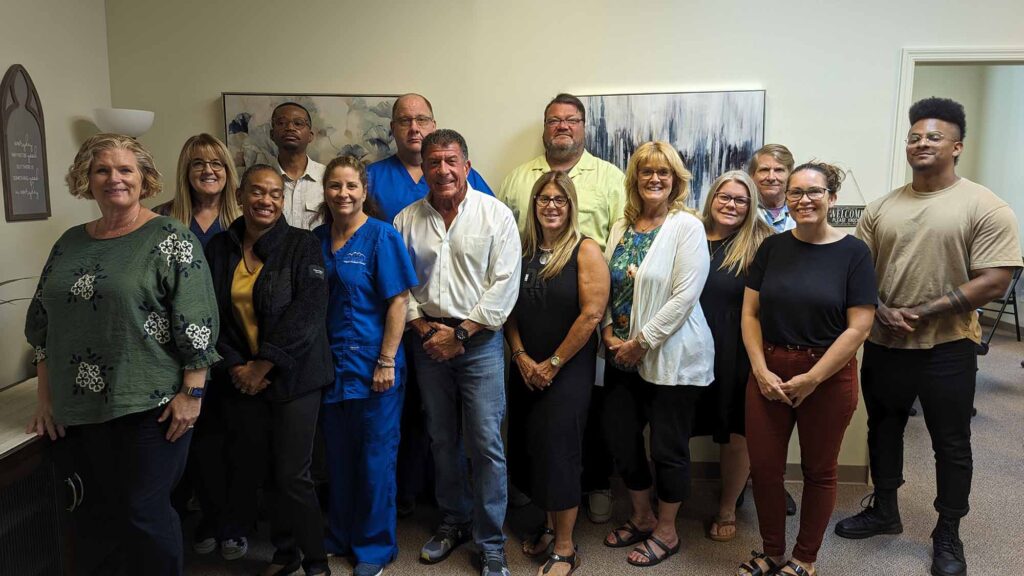
Our medical team has treated hundreds of patients with fentanyl dependence at our Port St. Lucie clinic using evidence-based medication-assisted treatment. We understand the unique challenges fentanyl presents and tailor treatment plans to individual needs.
Initial Assessment
Your first visit includes a comprehensive medical evaluation to assess your substance use history, current health status, and treatment goals. This evaluation helps our providers develop a personalized treatment plan that addresses your specific needs.
Medication Induction
For fentanyl users, medication induction may require careful timing due to the drug’s potency and duration of action. Our medical team monitors patients closely during this phase to ensure safety and comfort while transitioning to treatment medication.
Ongoing Support
Treatment continues with regular medical visits, medication management, and access to counseling services. Our approach emphasizes long-term recovery support rather than short-term solutions.
Locations and How to Get Started
Pinnacle Wellness Group provides fentanyl addiction treatment at our Port St. Lucie clinic. We offer comprehensive medication-assisted treatment with experienced medical staff.
Same-day and next-day appointments are often available. Call today to schedule your confidential assessment and take the first step toward recovery.
Confidential, Evidence-Based Care
Treatment for fentanyl addiction should be respectful, confidential, and medically appropriate. A clinical evaluation can help determine which treatment options may be most effective based on individual circumstances.
If you are exploring fentanyl addiction treatment, reaching out for professional guidance is an important first step.
This content is for informational purposes only and is not a substitute for professional medical advice, diagnosis, or treatment. Always seek the advice of your physician or other qualified health provider with any questions you may have regarding a medical condition.