Reviewed by Kenneth Palestrant, MD | Pinnacle Wellness Group
Medication-assisted treatment for alcohol combines FDA-approved medicine with counseling to reduce cravings and help you stop drinking safely. At Pinnacle Wellness Group in Port St. Lucie, our medical team uses this proven approach to treat alcohol use disorder on an outpatient basis, so you can get better while staying close to work, home, and family. If drinking has become hard to control, medication can make recovery feel possible again, and care can start quickly.
What Is Medication-Assisted Treatment for Alcohol?
Medication-assisted treatment, or MAT, is the use of FDA-approved medications together with counseling and support to treat a substance use disorder. For alcohol, the medicine does not “cure” the condition on its own. Instead, it quiets cravings and eases the pull toward drinking, which gives you room to rebuild habits, relationships, and health.
The Substance Abuse and Mental Health Services Administration (SAMHSA) recognizes MAT as an evidence-based standard of care. Many people find that medication is the difference between trying to quit on willpower alone and actually being able to stay stopped. To understand where MAT fits in your overall care, start with our alcohol use disorder treatment overview.
The Medications We Use for Alcohol Use Disorder
Three medications are FDA-approved to treat alcohol use disorder. Each works differently, and the right one depends on your health, your drinking pattern, and your goals.
Naltrexone (Daily Pill or Monthly Vivitrol Injection)
Naltrexone reduces cravings and takes away much of the pleasant “buzz” that alcohol normally provides. When drinking feels less rewarding, it becomes easier to cut back or stop. Naltrexone comes as a daily tablet or as a once-monthly injection called Vivitrol, which many patients prefer because it removes the need to remember a daily pill. You can read more in our guides to naltrexone treatment and how Vivitrol can treat alcoholism.
Acamprosate (Campral)
Acamprosate helps the brain return to normal after long-term drinking. It is often a good fit for people who have already stopped drinking and want support to stay sober. Because it is not processed by the liver, it can be a helpful option for patients with certain liver concerns.
Disulfiram (Antabuse)
Disulfiram works differently. If you drink while taking it, it causes an unpleasant physical reaction, such as flushing and nausea. For a motivated patient who wants a strong, built-in reason not to drink, that deterrent can be very effective. Your physician will make sure it is a safe choice for you.
How Do We Choose the Right Medication?
There is no single “best” medication for everyone. During your visit, our physician considers several things:
- How much and how often you drink
- Your liver health and other medical conditions
- Other medications you take
- Whether you want to stop completely or reduce your drinking
- Your daily routine and preferences, such as a pill versus a monthly shot
Together, you and your provider choose the option that fits your life. If it is not the right match, we can adjust. Recovery is a process, and your plan can change with you.
Medication Works Best With Support
Medication removes a major barrier, but lasting recovery also comes from support. That is why our care connects medication with behavioral health services and local community resources, including our AA and NA meeting finder. Counseling helps you understand your triggers, manage stress, and build a life where alcohol no longer runs the show.
Is MAT for Alcohol Effective?
Yes. Research summarized by the NIAAA shows that medications for alcohol use disorder can reduce heavy drinking days and support abstinence, especially when combined with counseling. They are not a magic switch, but they meaningfully improve the odds of success. Many patients tell us that for the first time, the cravings finally quieted enough to let them focus on getting well.
A Note on Safety Before You Start
If you drink heavily every day, do not stop suddenly on your own. Alcohol withdrawal can be serious and, in some cases, life-threatening. Let our medical team guide the process so you can stop safely and comfortably.
Getting Started With MAT in Port St. Lucie
Starting is simple. Call our office, share what is going on, and we will schedule you quickly, often the same or next day. We will review your history, talk through your options, and, when appropriate, begin medication. Worried about cost? We help uninsured and underinsured patients, and financial assistance may be available for medications like naltrexone. See our naltrexone financial assistance and financial assistance pages, or explore alcohol treatment in Port St. Lucie.
Frequently Asked Questions About MAT for Alcohol
What is the best medication to stop drinking?
There is no single best medication for everyone. Naltrexone, acamprosate, and disulfiram each work differently. The right choice depends on your health, drinking pattern, and goals, which your physician will review with you.
Do I have to be completely sober to start MAT?
Not necessarily. Some medications can be started while you are still drinking, while others work best after you stop. Your provider will guide the timing safely.
Is medication-assisted treatment just trading one drug for another?
No. The medications used for alcohol use disorder are not intoxicating and are not addictive. They reduce cravings or deter drinking so you can focus on recovery.
How long will I need to take medication?
It varies. Some people take medication for several months, others longer. You and your provider will decide together based on your progress.
About the Medical Reviewer
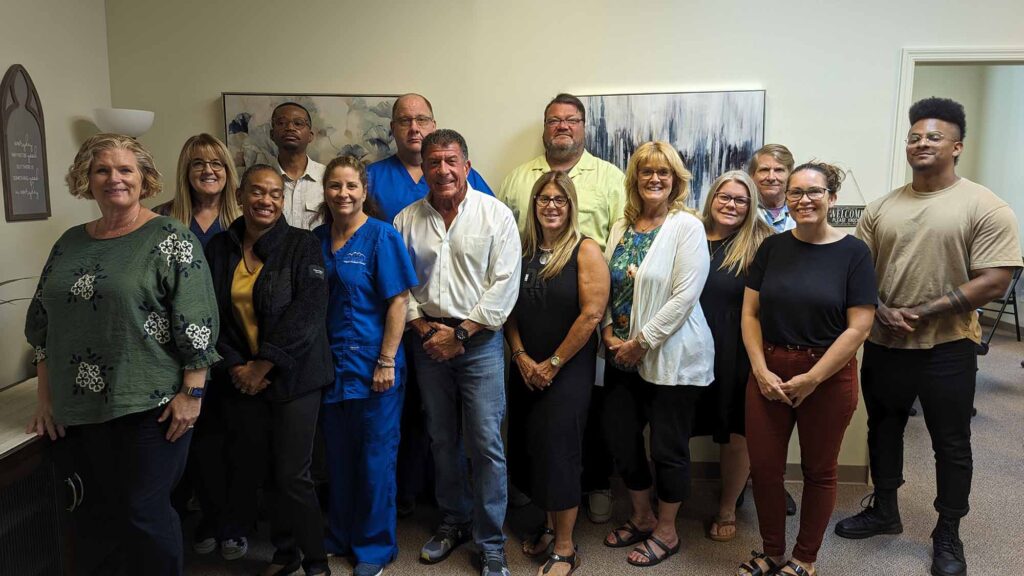
Kenneth Palestrant, MD is the reviewing physician for Pinnacle Wellness Group, an outpatient practice providing medication-assisted treatment for alcohol and opioid use disorders across Port St. Lucie and the Treasure Coast.
This content is for informational purposes only and is not a substitute for professional medical advice. Always talk with a qualified healthcare provider about your specific situation. If you or someone else is in immediate danger, call 911.