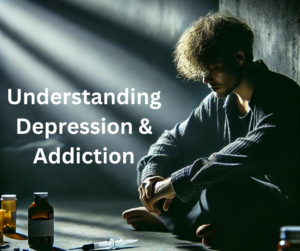

Opioid withdrawal can be one of the most difficult parts of recovery. Many people who want to stop using opioids worry about the discomfort that withdrawal may bring.
While withdrawal symptoms can be challenging, there are several approaches that may help reduce discomfort and make the process more manageable.
Understanding what helps opioid withdrawal symptoms can help individuals prepare for recovery and make safer decisions during the early stages of treatment.
Why Withdrawal Symptoms Occur
Withdrawal symptoms happen because the brain and body have adapted to the presence of opioids.
Over time, opioids change the way the brain regulates pain, mood, sleep, and stress. When opioid use suddenly stops, the body must gradually return to functioning without the drug.
This adjustment process causes symptoms such as:
- muscle aches
- nausea
- anxiety
- sweating
- restlessness
- insomnia
If you’re unfamiliar with the range of symptoms people may experience, it can be helpful to understand the common opioid withdrawal symptoms that occur during recovery.
Staying Hydrated and Rested
During withdrawal, the body experiences physical stress as it adjusts to the absence of opioids.
Staying hydrated can be especially important, particularly if symptoms such as vomiting or diarrhea occur.
Drinking fluids and allowing time for rest may help the body recover more comfortably during the withdrawal process.
Sleep may be difficult during the early stages of withdrawal, but maintaining a calm environment and allowing time for recovery can help the body stabilize.
Managing Physical Discomfort
Physical discomfort is one of the most common challenges during opioid withdrawal.
Symptoms such as muscle aches, chills, and fatigue can make daily activities difficult.
Some individuals try supportive strategies such as:
- warm showers or baths
- gentle stretching
- over-the-counter medications for mild discomfort
- light meals that are easier to tolerate
While these strategies may provide some relief, they do not address the underlying dependence that contributes to withdrawal symptoms.
Understanding how withdrawal symptoms progress over time may help individuals prepare for the early stages of recovery.
Emotional Support During Withdrawal
Withdrawal can also create emotional stress.
Feelings of anxiety, irritability, and restlessness are common as the brain adjusts to functioning without opioids.
Support from friends, family members, or recovery professionals may help individuals manage the emotional aspects of withdrawal.
Many people find that having someone available for encouragement and accountability makes the process easier to manage.
Medical Support for Withdrawal Symptoms
Because withdrawal symptoms can be difficult to manage alone, many individuals seek medical support during recovery.
Understanding what helps opioid withdrawal symptoms, healthcare professionals may provide treatments that help stabilize withdrawal symptoms and reduce cravings.
Medication-assisted treatment (MAT) is one approach commonly used to support individuals during recovery from opioid addiction. Buprenorphine, often prescribed as Suboxone, is among the most widely used MAT medications for opioid withdrawal. Clinical evidence shows it reduces withdrawal severity, eases cravings, and helps people remain in treatment.
These medications can help reduce withdrawal discomfort while allowing individuals to focus on rebuilding stability in their daily lives.
Learning more about opioid addiction treatment options that support withdrawal management can help individuals understand what professional care may involve.
Why Professional Treatment Can Make Withdrawal Easier
Many people who attempt withdrawal on their own struggle with the intensity of symptoms or the cravings that occur during early recovery.
Professional treatment programs may offer structured support that helps individuals navigate the withdrawal process more safely.
These programs often combine medical care, counseling, and ongoing support to help individuals move beyond withdrawal and focus on long-term recovery.
Outpatient treatment can allow individuals to receive this support while continuing their normal responsibilities.
Recovery After Withdrawal
Withdrawal symptoms typically improve as the body stabilizes. However, recovery does not end once withdrawal is complete.
Long-term treatment and support can help individuals maintain progress and reduce the risk of relapse. With the right support system and treatment plan, many people are able to move beyond opioid dependence and rebuild their health and stability.